
01 / Response
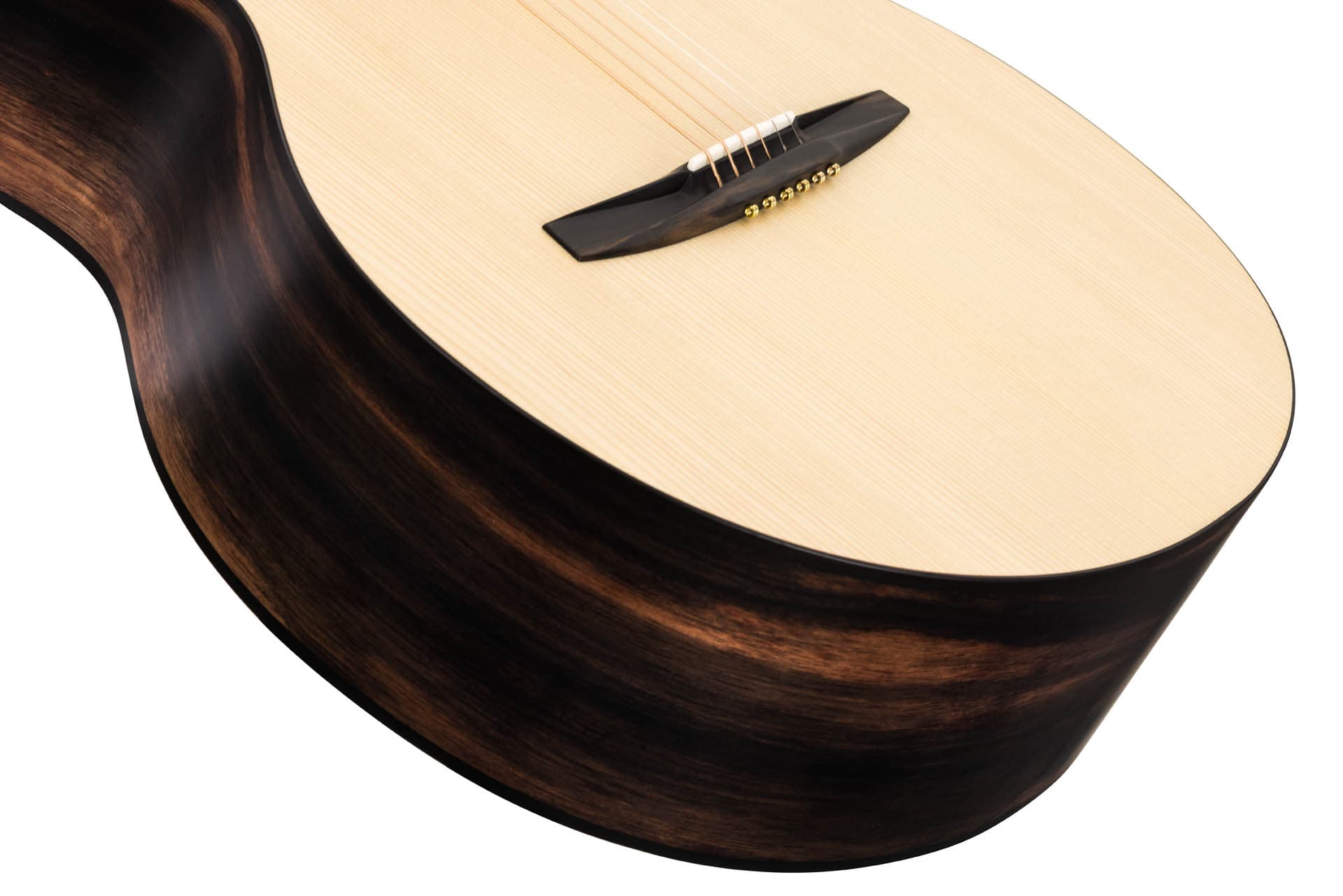
Double-top soundboard
NOVA's proprietary double-top system is designed for quick response, broad dynamics, projection, and sustain. Its internal construction remains protected workshop know-how.
Double-top response, A.R.S. backs and sides, offset soundhole, and player-first geometry. The details are built to change the voice, not decorate the spec sheet.
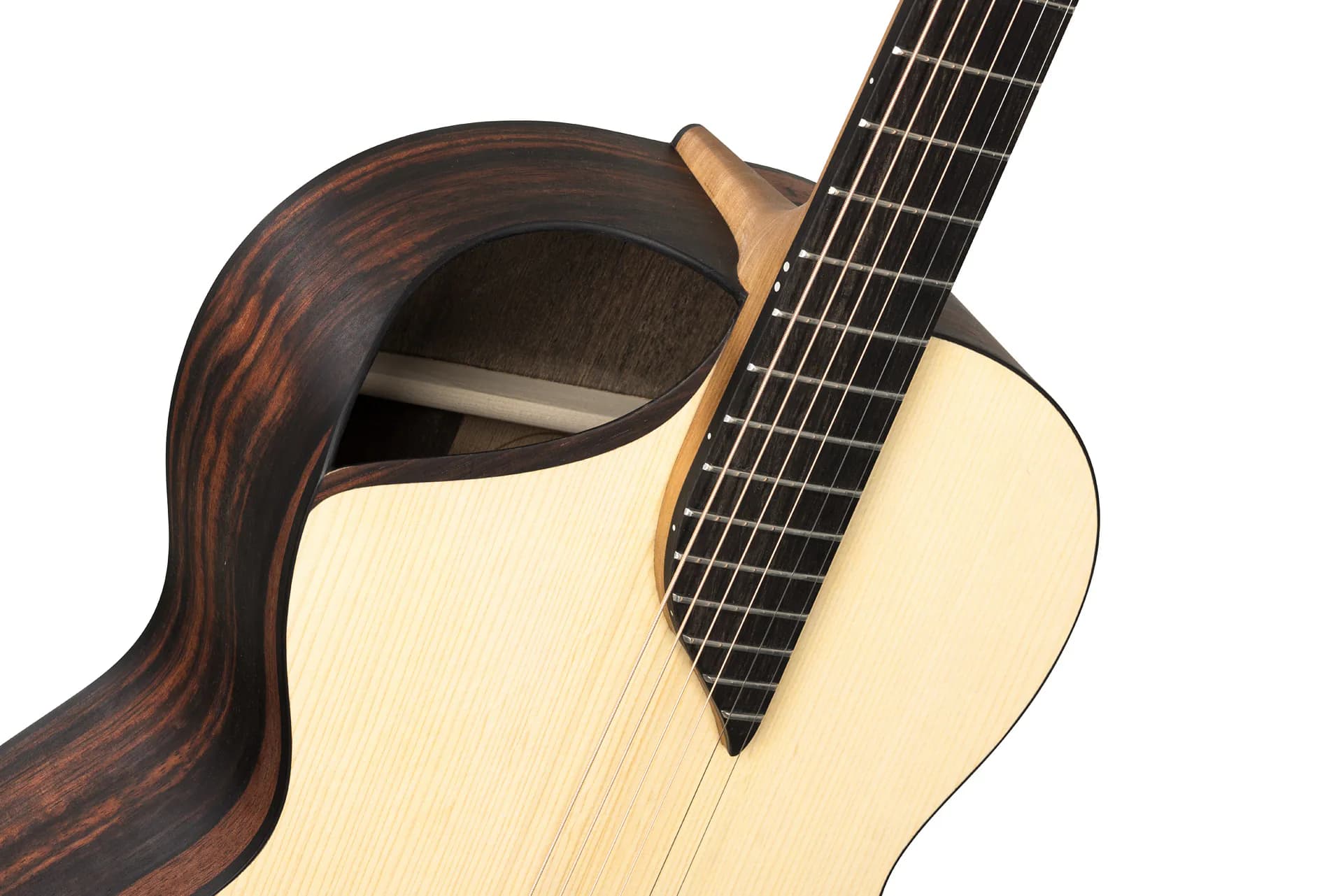
The core NOVA systems are visible on the guitar and audible in the first notes: quicker response, more projection, clearer monitoring, and less effort under the hands.
NOVA's proprietary double-top system is designed for quick response, broad dynamics, projection, and sustain. Its internal construction remains protected workshop know-how.
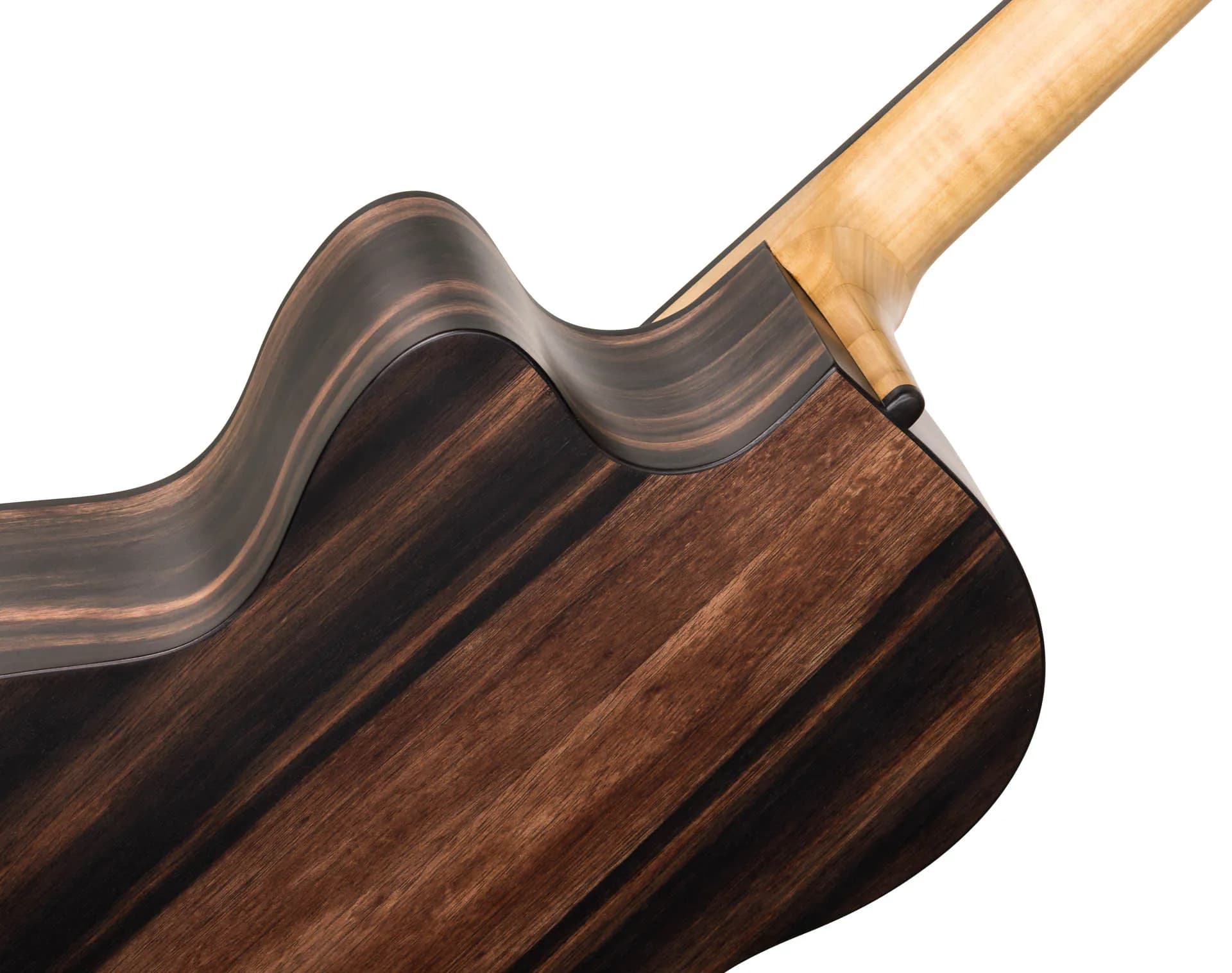
NOVA's proprietary A.R.S. back-and-side system is designed for resonance, stability, and consistent response. Internal construction details remain protected.
The offset soundhole supports player monitoring and forms part of NOVA's response and projection design.
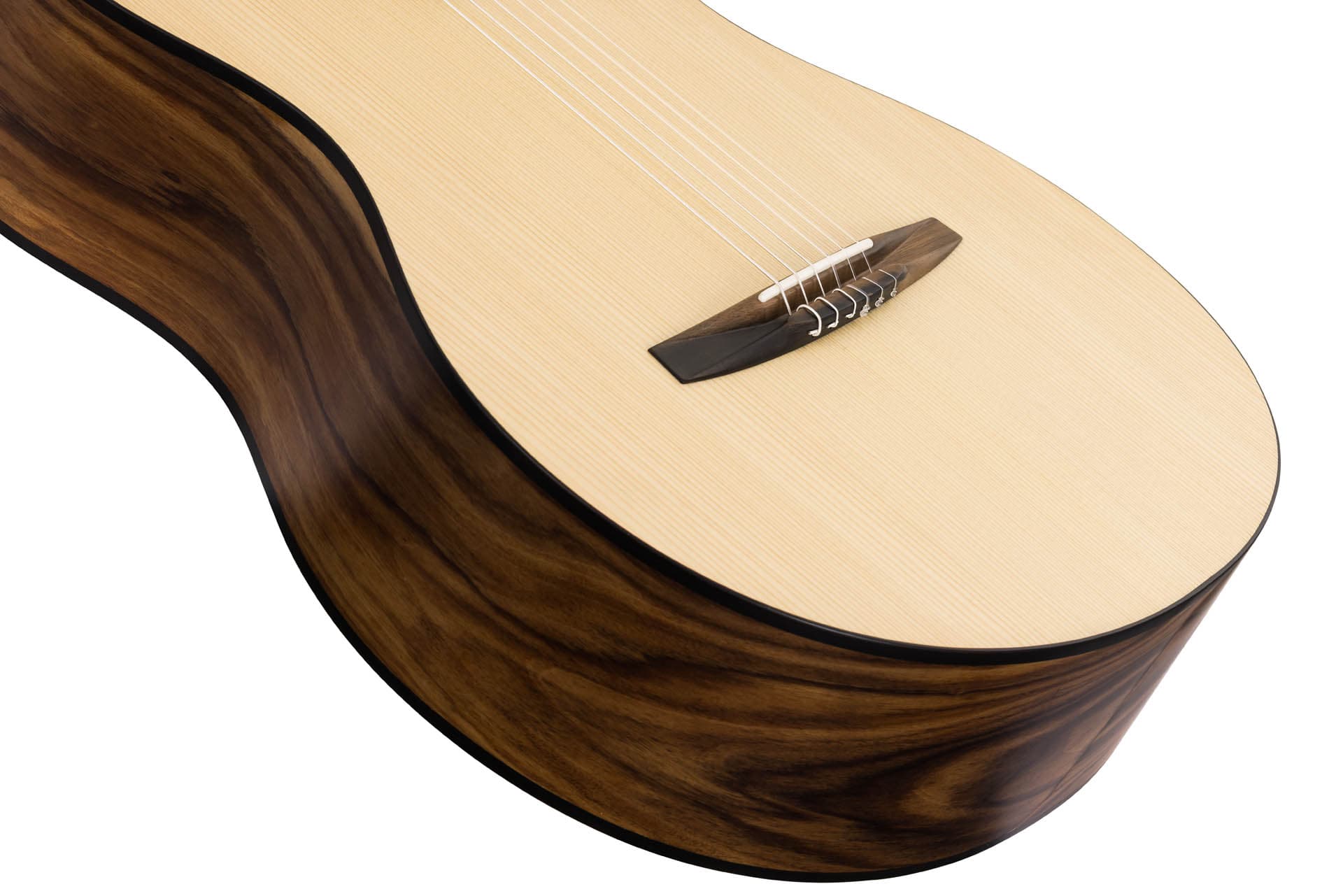
The proprietary NOVA Impedance Bridge is designed for efficient response and energy transfer.
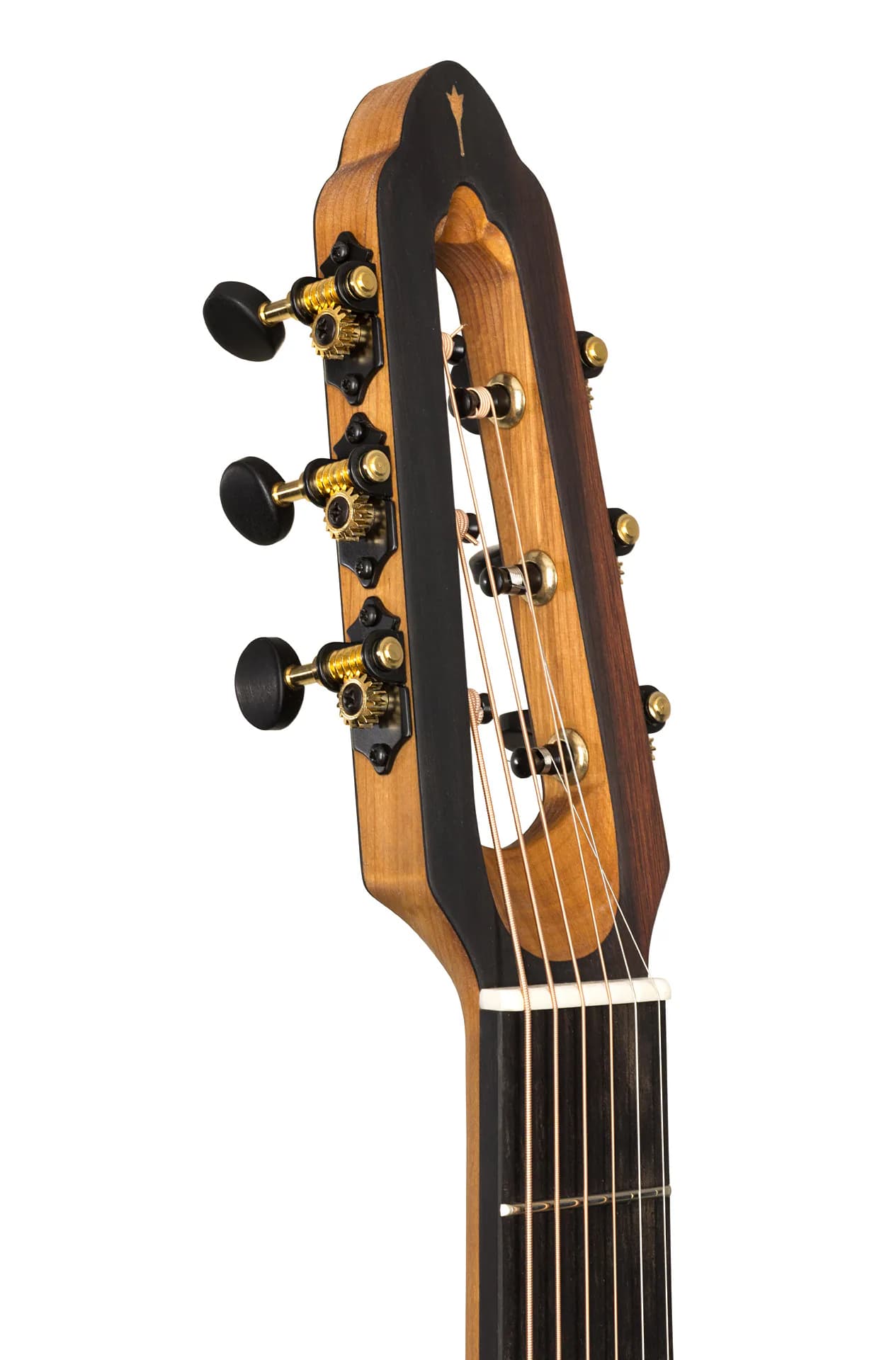
Nut width, compound radius, cutaway access, truss-rod options, and electronics routes are chosen around the player, not just the blueprint.